

Signs of Ethically Sourced Healing Crystals
Table of Contents
- What Does Ethically Sourced Mean in the Crystal Industry?
- Understanding Crystal Mining Environmental Impact
- Red Flags: Spotting Fake, Dyed, and Heat-Treated Stones
- How to Find Sustainable Crystal Shops You Can Trust
- Building a Transparent Crystal Supply Chain
- Your Verification Checklist for Ethically Sourced Crystals
- The Greenwashing Trap: Questions to Ask Your Supplier
- Practical Application: Starting Your Ethical Crystal Collection
- Key Takeaways on Ethical Crystal Sourcing
- Frequently Asked Questions
Last Updated: September 25, 2026
What Does Ethically Sourced Mean in the Crystal Industry?
Ethically sourced healing crystals are stones extracted and traded through practices that prioritize fair labor conditions, environmental protection, and supply chain transparency. This means miners receive fair wages, work in safe conditions, and communities aren't displaced or harmed by extraction operations. It also means the environmental impact is minimized through responsible mining practices rather than exploitative industrial extraction.
The distinction matters because the crystal industry has historically operated with minimal oversight, sourcing from regions with weak labor protections and unenforced regulations. When you purchase ethically sourced healing crystals, you're supporting a model where miners and the land are both protected.
At MyLee Moon Blessings, we've made this commitment central to our practice. Every crystal in our collection is sourced with verified transparency. This isn't marketing speak, it's the foundation of how we operate.
The challenge is that "ethical" claims are everywhere but verification is rare. Suppliers may claim ethical sourcing without documentation or traceable supply chains, making due diligence essential.
Understanding Crystal Mining Environmental Impact
Crystal mining carries environmental consequences that vary by extraction method. Industrial mining degrades soil, contaminates water, and disrupts ecosystems. Artisanal mining, though smaller-scale, can cause significant damage without safeguards.
Environmental impacts include habitat destruction, erosion, and altered water tables. In concentrated mining regions like Brazil and Madagascar, degradation affects entire watersheds. Heat treatment and dyeing also consume significant water and energy.
Sustainable extraction means smaller-scale operations, land restoration, avoiding sensitive areas, and transparency about sourcing and methods.
Ask suppliers about environmental practices: Do they work with artisanal miners practicing land restoration? Do they avoid protected ecosystems? Have they conducted impact assessments? These answers reveal genuine commitment.
Red Flags: Spotting Fake, Dyed, and Heat-Treated Stones
The market includes synthetic imitations, dyed minerals, and heat-treated stones sold as natural. Learning to spot these protects your wallet and sourcing integrity.
Heat-treated stones are real minerals artificially altered to enhance color or clarity, changing their energetic properties and durability. Citrine is commonly heat-treated from amethyst; Tanzanite is routinely heat-treated to deepen color. Reputable suppliers disclose this; evasive ones don't.
Dyed minerals are artificially colored to appear vibrant or mimic rarer stones. Howlite is dyed to look like turquoise; quartz mimics jade. Dye fades with time and exposure. Suppliers not mentioning dyeing are uninformed or evasive.
Synthetic imitations are lab-created stones that chemically match natural counterparts but lack geological history and energetic signature. Some practitioners prefer them for ethical reasons, but they must be disclosed.
Request detailed information about origin, treatment history, and enhancements. Ask for raw stone photos. If a supplier is vague or claims "100% natural" without qualification, that's a warning sign.
Examine stones in person when possible. Heat-treated stones show subtle color zoning or stress fractures. Dyed stones show color concentration in cracks. Natural stones have consistent coloring.
How to Find Sustainable Crystal Shops You Can Trust
Finding ethical suppliers requires asking specific questions and evaluating their transparency.
Research a supplier's sourcing network. Can they name specific regions and mining operations? Vague language like "responsibly sourced" is a red flag. Transparent suppliers identify exact stone origins.
Check for third-party certifications or partnerships with ethical mining organizations. While imperfect, they indicate external verification. Fair trade organizations maintain lists of certified suppliers.
Examine product information: raw stone photos, heat treatment/dyeing disclosure, and supply chain transparency. MyLee Moon Blessings provides real photography and honest treatment labeling.
Look for suppliers who engage with their community through published sourcing information, responsive customer communication, and active participation in responsible mining conversations.
Check customer reviews specifically for comments about authenticity and ethical claims. Customers who have purchased from a supplier over time can speak to whether the stones match their descriptions and whether the company follows through on ethical commitments.
Building a Transparent Crystal Supply Chain
A truly transparent supply chain means you can trace a crystal from extraction to your hands. This level of accountability requires deliberate work from suppliers and informed purchasing from customers.
Unakite Tumbled Stone | Healing Crystal →
Ethical suppliers maintain detailed records of their sourcing relationships. They can tell you which mining operations supplied specific stones, the conditions under which extraction occurred, and what fair wages were paid. This information should be available to customers who ask for it.
Supply chain transparency also includes fair compensation throughout the chain. Miners receive fair wages. Cooperative organizations that aggregate and process stones are compensated appropriately. Distributors and retailers maintain reasonable margins rather than exploiting the supply chain at any point. When every participant is fairly compensated, the entire system functions with integrity.
Documentation matters. Suppliers should be able to provide certificates of origin, fair trade certifications, or other verifiable documentation. This isn't bureaucratic overhead, it's evidence that the supply chain actually works as claimed.
MyLee Moon Blessings maintains detailed sourcing documentation for every stone we offer. Every crystal is personally selected, verified for authenticity, and energetically cleansed before shipping. This level of attention requires more time and resources than conventional retail, but it's the only way to guarantee integrity.
The transparency extends to pricing. When you understand the supply chain, you understand why ethically sourced healing crystals cost more than stones from unknown sources. Suppliers who offer ethical crystals at suspiciously low prices are likely cutting corners somewhere.
Your Verification Checklist for Ethically Sourced Crystals
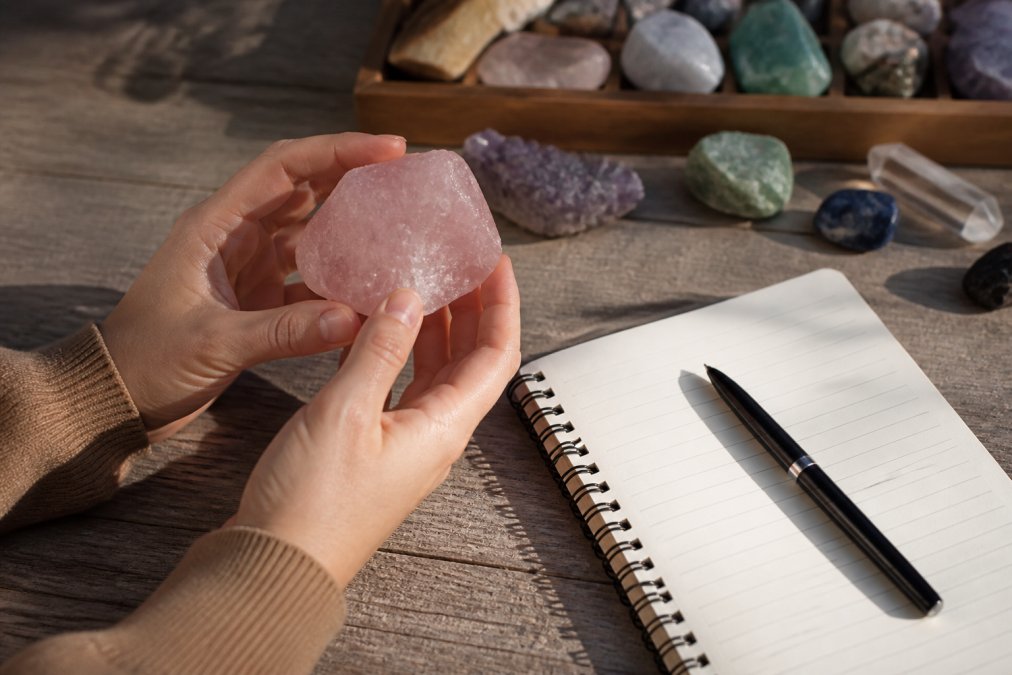
Before purchasing, use this checklist to evaluate whether a crystal meets ethical standards:
| Verification Point | What to Look For | Red Flags |
|---|---|---|
| Origin Documentation | Supplier can name specific mining region and operation | Vague sourcing like "responsibly sourced" |
| Treatment Disclosure | Heat treatment, dyeing, or synthetic origin clearly stated | No mention of treatments or "100% natural" claims without detail |
| Pricing Transparency | Supplier explains why ethically sourced stones cost more | Suspiciously low prices compared to ethical competitors |
| Supply Chain Info | Direct relationships with miners or cooperatives documented | Multiple middlemen between extraction and retail |
| Certification | Third-party ethical or fair trade verification present | No external verification or certifications |
| Customer Communication | Responsive to questions about sourcing and ethics | Avoids or deflects questions about supply chain |
| Product Photography | Real photos of raw and finished stones provided | Only polished marketing images, no raw stone photos |
| Return Policy | Clear, hassle-free returns if stone doesn't meet expectations | Restrictive policies or resistance to returns |
Use this checklist before every purchase. A supplier that checks all boxes is likely operating with genuine integrity. One that fails multiple items probably isn't.
The Greenwashing Trap: Questions to Ask Your Supplier
Greenwashing in the crystal industry means using ethical language and imagery while maintaining exploitative or environmentally damaging practices. Many suppliers make vague claims about sustainability without substantive changes to their operations.
The key to avoiding greenwashing is asking specific questions and evaluating the depth of the answers. Generic responses indicate superficial commitment. Detailed, specific answers suggest genuine practice.
Ask about mining practices: "Can you describe the specific mining methods used for this stone? Are they artisanal, industrial, or a mix? What environmental protections are in place?" A greenwashing supplier will give vague answers like "we source responsibly." An ethical supplier will describe specific practices and mining partners.
Ask about labor conditions: "What wages do miners receive? Are they above local minimum wage? What safety standards apply to mining operations you work with?" Greenwashing suppliers avoid these questions. Transparent suppliers provide specific information.
Ask about supply chain relationships: "Do you work directly with miners or through middlemen? How many steps are there between extraction and your retail operation?" Greenwashing suppliers obscure the chain. Ethical suppliers make it clear and traceable.
Ask about certifications: "What third-party organizations have verified your ethical claims? Can you provide documentation?" Greenwashing suppliers may claim certifications they don't have. Ethical suppliers provide verifiable proof.
Ask about environmental impact: "Have you conducted environmental impact assessments of your mining partners? What restoration efforts are underway in mining regions you source from?" Greenwashing suppliers haven't thought about this.
Practical Application: Starting Your Ethical Crystal Collection
Building a collection of ethically sourced healing crystals means being intentional about every purchase. Start with stones that resonate with your current needs and verify the sourcing before buying.
Key Takeaways on Ethical Crystal Sourcing
Understanding signs of ethically sourced healing crystals helps you to shop with confidence and integrity. Transparency about mining practices, labor conditions, and environmental impact distinguishes genuine ethical suppliers from those engaged in greenwashing. Specific questions about supply chain relationships, certifications, and pricing reveal whether a supplier's commitment is substantive or superficial.
Frequently Asked Questions
How can you tell if a healing crystal is real?
Real crystals have natural variations in color, inclusions, and texture, not perfect uniformity. Check for weight appropriate to size (authentic stones feel substantial), examine the surface for natural striations or patterns, and research the specific mineral's properties. Dyed stones often show color concentration at fractures or edges. Heat-treated crystals may appear artificially vibrant. Ask your supplier for origin information and request photos of the raw crystal before processing. Reputable vendors like MyLee Moon Blessings provide transparent sourcing details and authentic tumbled stones.
What does it mean when crystals are ethically sourced?
Ethically sourced crystals come from operations that prioritize fair wages, safe labor conditions, and environmental responsibility. This means miners and workers receive compensation meeting local living standards, work in secure conditions, and the extraction process minimizes habitat destruction. Ethical sourcing also requires supply chain transparency, you should be able to trace where your crystal came from and how it was extracted. It excludes conflict minerals, child labor, and operations causing significant ecological damage. True ethical sourcing involves third-party auditing or certification and honest communication from vendors about their practices.
How can I verify the supply chain of a crystal shop?
Ask direct questions about origin, mining method, and labor practices. Request documentation of supplier relationships and certifications. Legitimate shops provide specific sourcing information. Check if they offer photos of raw crystals before processing and explain their cleansing methods. Look for transparency about pricing (ethical sourcing costs more) and return policies. Read verified customer reviews mentioning authenticity and quality. Shops using artisanal mining or fair trade practices should explain these choices clearly. MyLee Moon Blessings demonstrates transparency through honest pricing, real photography, and detailed product sourcing information.
Why does ethically sourced crystal pricing cost more?
Ethical sourcing requires investment. When a crystal costs significantly less than market rates, it likely cuts corners on labor standards or environmental impact. Prices reflecting true ethical sourcing represent honest value, not markup.